
 Ariel Dorrance
- +1(720) 900-5151 home@arieldorrance.com
Thinking About Selling Your Home Without a REALTOR®? Here's What You Should Know
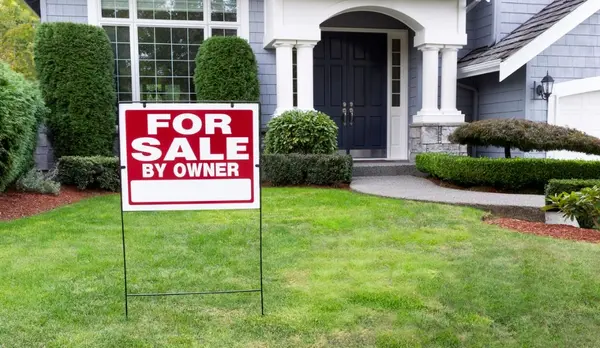
Selling your home on your own can seem like a great way to save money, and many homeowners have successfully done it. However, it's important to understand that a For Sale By Owner (FSBO) transaction requires a significant investment of time, effort, and attention to detail. If you're balancing work, family, or a tight timeline, managing the entire process yourself may become overwhelming.
For homeowners who want some professional support without committing to full-service representation, many real estate professionals offer limited-service or "assist-to-sell" options. These programs may include services such as yard signage, marketing materials, and strategic guidance at a lower cost. While these can be helpful, most sellers discover that working with a dedicated real estate professional provides access to broader marketing exposure, industry resources, negotiation expertise, and a stronger strategy for maximizing the sale price.
Whether you decide to sell independently or partner with an agent, preparation is key. Use the following checklist to help ensure you're ready for a successful sale.
1. Know Your Property Inside and Out
Before listing your home, gather important information buyers are likely to ask about, including:
- Property taxes
- Lot size
- Square footage
- Zoning information
- HOA details (if applicable)
- Utility costs
- Current mortgage information
Having these details readily available demonstrates professionalism and helps build buyer confidence.
2. Understand Your Local Market
Research recent sales of homes similar to yours in terms of size, location, condition, and features. Pay close attention to:
- Sale prices
- Days on market
- Seller concessions
- Current inventory levels
It's equally important to familiarize yourself with local disclosure requirements and real estate laws to ensure compliance throughout the transaction.
3. Price Your Home Correctly
One of the biggest factors in a successful sale is pricing. Overpricing can discourage buyers, while underpricing may leave money on the table.
Use comparable sales data, current market conditions, and your home's unique features to establish a realistic and competitive asking price.
4. Learn About Buyer Financing Options
Many buyers will have questions about financing. Understanding common loan programs and lending options can help you answer basic questions and keep conversations productive.
Connecting with local lenders can also provide insight into what today's buyers may qualify for and what financing trends are impacting your market.
5. Evaluate Your Home Like a Buyer Would
Walk through your property with a critical eye, imagining you're seeing it for the first time. Consider both the buyer's perspective and what a home inspector might notice.
Exterior Checklist
- Does the home have strong curb appeal?
- Is the exterior paint in good condition?
- Is the landscaping tidy and well-maintained?
- Are windows and doors attractive and functional?
- Is the roof in good condition?
- Are gutters clean and properly maintained?
- Is the lawn mowed and shrubbery trimmed?
- Have outdoor toys, equipment, and clutter been removed?
For condo owners, focus on the areas you can control, such as the front entry, patio, or balcony.
Interior Checklist
- Are walls clean and freshly painted?
- Do flooring materials look clean and well-maintained?
- Are appliances functioning properly?
- Are plumbing and electrical systems working correctly?
- Are caulking and sealants around sinks, tubs, and windows in good shape?
- Is every room well-lit?
- Do fixtures operate properly?
Small updates such as fresh paint, deep cleaning, and minor repairs often provide some of the highest returns on investment when preparing a home for sale.
Once you've completed your walkthrough, address any necessary repairs before listing.
6. Become Familiar with the Neighborhood
Buyers aren't just purchasing a home—they're investing in a lifestyle.
Be prepared to discuss nearby amenities such as:
- Schools
- Parks and recreation
- Shopping and dining
- Public transportation
- Community events
- Local attractions
The more knowledgeable you are, the more confidence buyers will have in the area.
7. Create a Realistic Selling Budget
Selling a home involves expenses beyond moving costs. Depending on your situation, consider budgeting for:
- Real estate commissions
- Marketing and advertising
- Professional photography
- Attorney or closing fees
- Transfer taxes or excise taxes
- Property tax prorations
- HOA fees
- Inspections and surveys
- Other seller-paid closing costs
An experienced REALTOR® can often provide a detailed estimate of anticipated seller expenses before you list.
8. Develop a Marketing Strategy
Marketing plays a major role in attracting qualified buyers.
Research advertising opportunities available in your area, including:
- Online listing platforms
- Social media marketing
- Local newspapers
- Community publications
- Real estate websites
Compare costs, deadlines, and audience reach before deciding where to invest your marketing dollars.
9. Leverage Online Exposure
Today's buyers begin their home search online. A strong digital presence is no longer optional—it's essential.
If you're working with a REALTOR®, your home will likely receive exposure through the MLS, brokerage websites, social media channels, and other online marketing platforms.
If you're selling independently, make sure your property is featured wherever active buyers are searching.
10. Write Effective Marketing Materials
Whether it's an online listing, flyer, or print advertisement, your marketing should highlight the features that make your property stand out.
Professional photos, compelling descriptions, and attractive design can significantly increase buyer interest.
Poor-quality marketing, on the other hand, may cause buyers to overlook an otherwise excellent home.
11. Prepare for Showings
Flexibility is important when buyers want to view your property.
Be prepared to accommodate showings during evenings, weekends, and short-notice requests whenever possible.
If you're working with an agent, they can coordinate appointments and conduct showings on your behalf, often creating a more comfortable environment for buyers.
12. Install Professional Signage
A well-designed "For Sale" sign remains one of the simplest and most effective marketing tools.
Ensure your sign is:
- Easy to read
- Professionally designed
- Weather resistant
- Clearly visible from the street
Many agents include signage as part of their services.
13. Create Property Information Sheets
Buyers appreciate having a take-home summary of the home's features and benefits.
A professional fact sheet should include:
- Property details
- Key upgrades
- Room sizes
- Community highlights
- Contact information
Have plenty available during showings and open houses.
14. Plan Successful Open Houses
If you decide to host open houses, invest in directional signage and advertise the event in advance.
Consider offering open houses at different times and days to accommodate a wider range of buyers.
When the event is over, promptly remove directional signs to avoid confusion.
15. Follow Up with Interested Buyers
Keep records of everyone who tours the property or requests information.
Maintain a list that includes:
- Names
- Contact information
- Level of interest
- Follow-up notes
Staying organized can help you identify serious buyers and maintain communication throughout the process.
16. Be Ready to Negotiate
Receiving an offer is exciting, but successful negotiations require objectivity.
Try to focus on the terms of the agreement rather than emotions. Remaining professional throughout negotiations can help keep transactions moving forward.
17. Understand the Required Paperwork
Real estate transactions involve much more than a purchase contract.
Depending on your state and local requirements, sellers may need to provide numerous disclosures, addenda, and supporting documents throughout the process.
Pay close attention to deadlines, disclosure obligations, and buyer rights. Consider consulting a real estate attorney or professional for guidance.
18. Finalize the Terms
Before moving toward closing, all parties must agree on key terms, including:
- Purchase price
- Inspection contingencies
- Financing conditions
- Closing date
- Possession date
Having legal counsel review contracts before signing can provide additional peace of mind.
19. Complete the Final Walk-Through
Prior to closing, buyers will typically conduct a final walk-through to verify that the property's condition matches the agreed-upon terms.
Address any concerns before closing to help avoid delays.
20. Plan Your Next Move
Remember, selling your current home is only part of the equation.
Whether you're purchasing another property, building a new home, or relocating, coordinate your timelines carefully to ensure a smooth transition.
Whenever possible, align the closing dates of your sale and purchase to minimize stress and simplify your move.
Final Thoughts
Selling a home is one of the largest financial transactions most people will ever make. While selling independently is certainly possible, many homeowners find that the guidance, marketing reach, negotiation expertise, and transaction management provided by a REALTOR® help make the process smoother and more profitable.
No matter which path you choose, being informed and prepared will put you in the best position for success.
Recent Posts







GET MORE INFORMATION